About ThrustLab
Howdy!
I’m Kyle Bedrich, the solo founder, maintainer, and developer of ThrustLab. I am a student at Texas A&M University in College Station, Texas. I am currently getting my Master’s degree in Aerospace Engineering, and I graduated with my Electrical Engineering Bachelor’s degree back in 2025.
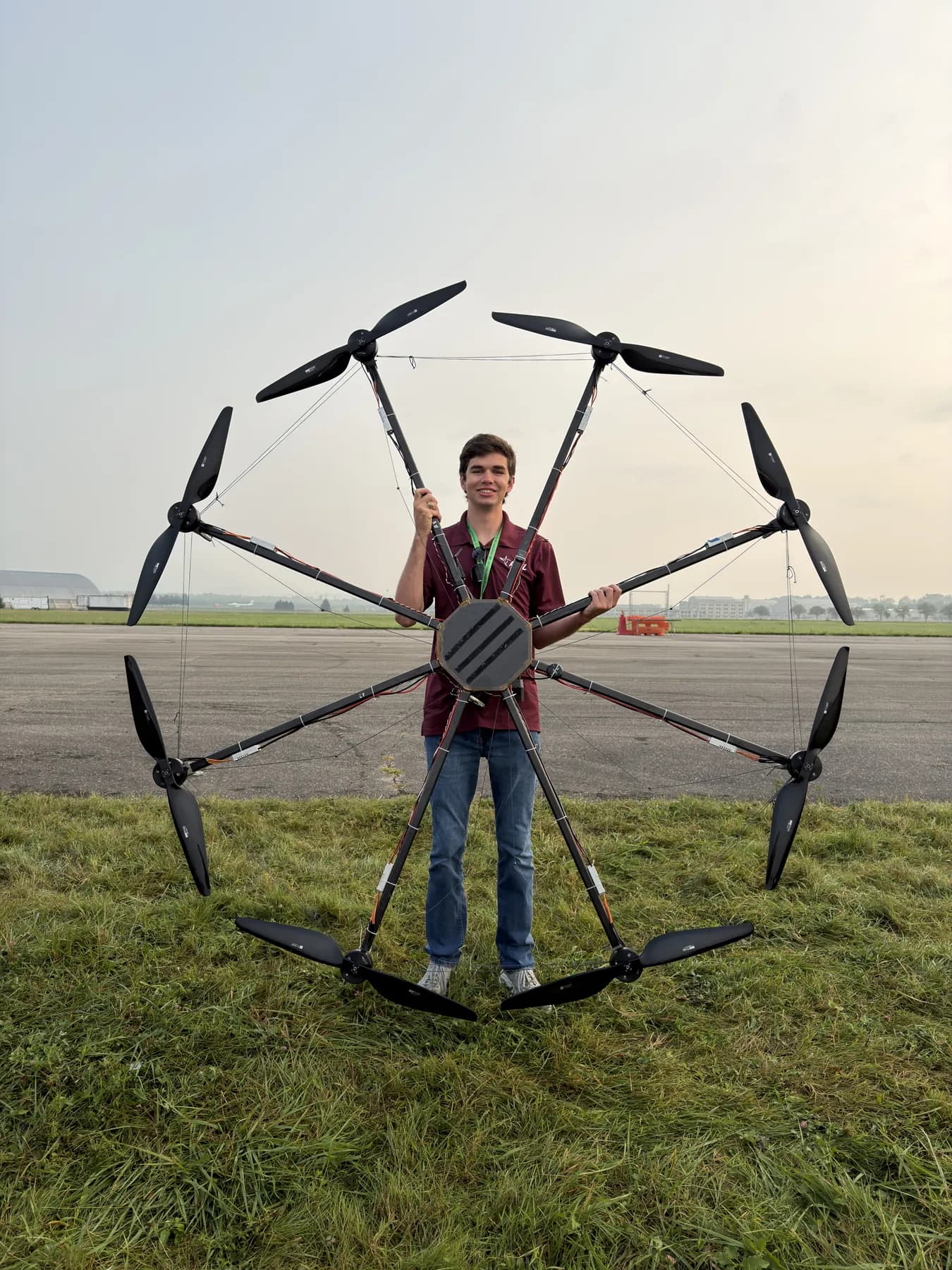
4 years ago, I saw a major issue in the UAV industry.
The method used to select propulsion systems is built upon a test-only methodology, with poor modeling approaches, rules of thumbs and incomplete/uninformative data everywhere online. Other people and websites have tried to model propulsion systems but lack a sophisticated model, use too many assumptions, and never validated it against real-world testing data. A proper engineering process requires models to be validated so that the engineer using the model knows where to trust it. That is why I created ThrustLab.
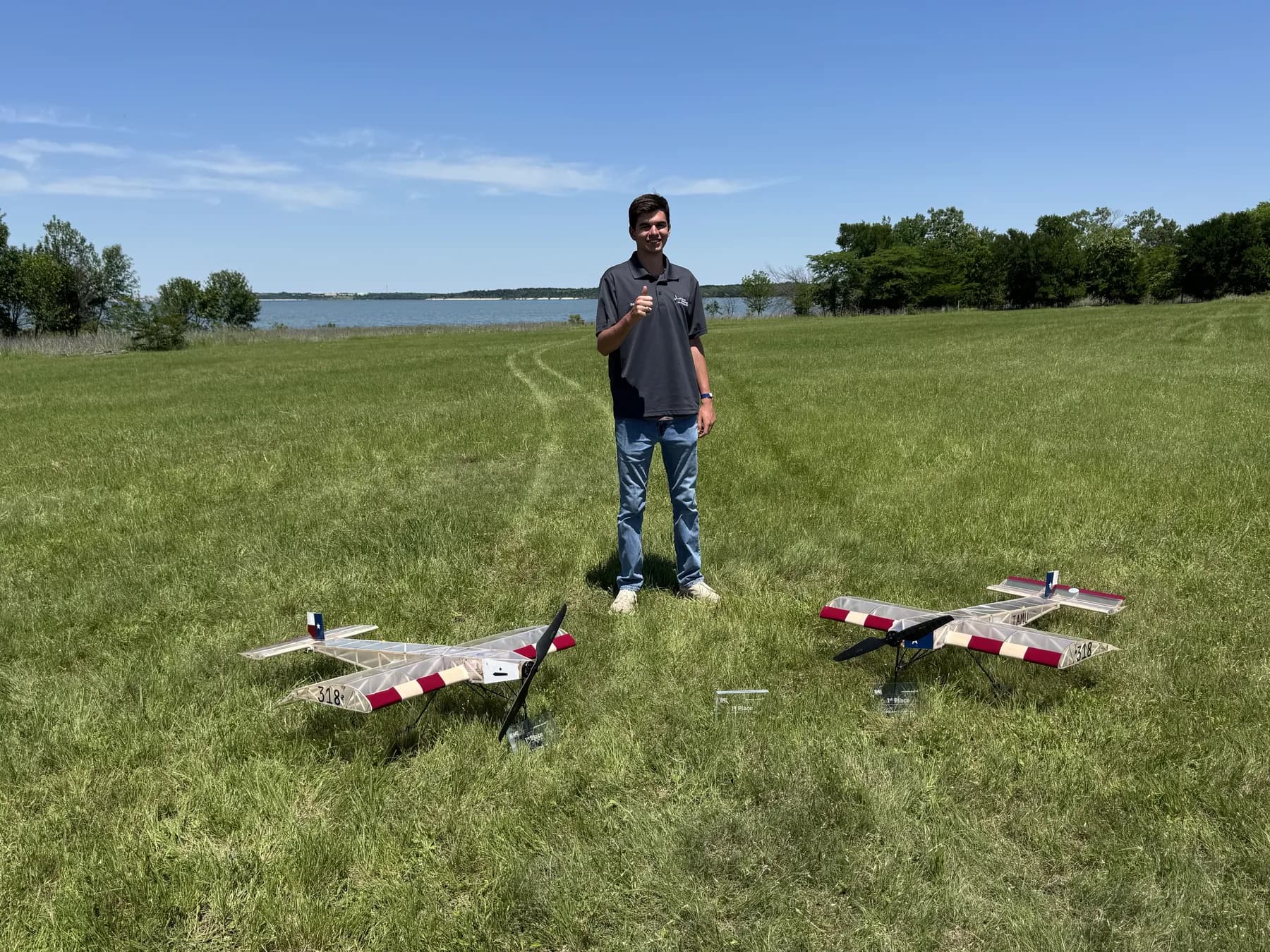
ThrustLab aims to close the gap between propulsion selection and real-world testing with a validated, sophisticated propulsion model.
A modeling-based strategy can save time, money, and give you an optimized propulsion system sooner in the design cycle. ThrustLab intentionally allows you to explore all of your options so that you can narrow down and optimize your selection to just a few powertrains.
When I developed ThrustLab, the goal was to make it unopinionated.
You can simulate any propeller with any motor, with any battery with any number of rotors, any operating condition (all within reason) and it will take it. This allows ThrustLab to be used for any kind of UAV, like drones, fixed wings, tilt rotors, helicopters, platforms with coaxial rotors, and more. Because of ThrustLab’s unopinionated approach to its interface, the simulation possibilities are endless.
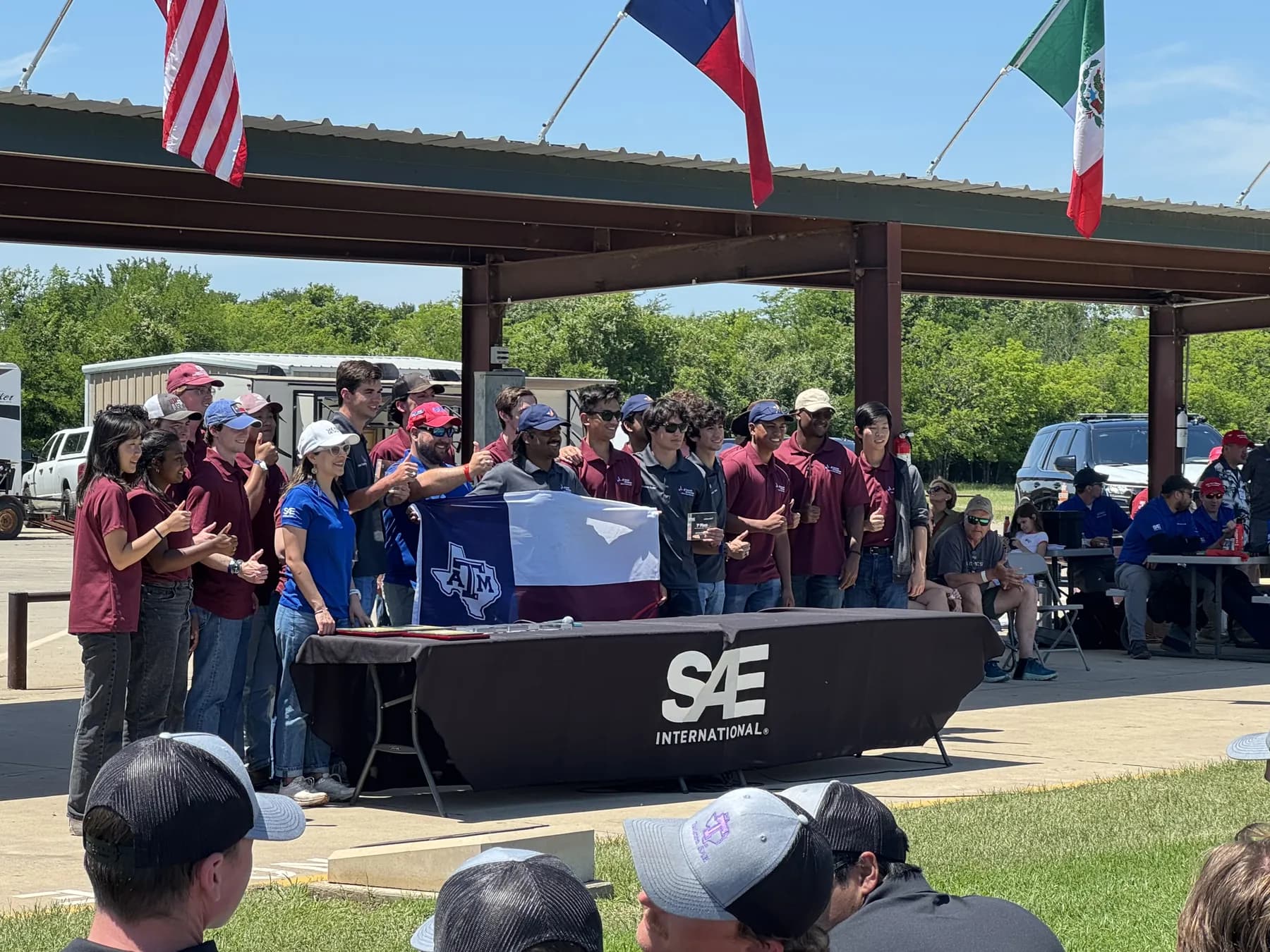
ThrustLab has seen many iterations over the 4 years of its development.
It began as a simple exercise of first-principles. Over 30 versions of the model have been used by me and my peers to design some amazing RC aircraft that have won multiple competitions. Throughout those versions were many breakthroughs in simulation fidelity & accuracy, and the ability to model dynamic system behaviors.
Propulsion systems are what win competitions.
It is literally what makes your plane go forward or drone go up. The capabilities of your UAV are defined by your propulsion system. The design of that system should be just as important as aerodynamic design because it is always a coupled problem to your aircraft. The UAV industry is moving towards highly specialized aircraft, and the competition is no longer “I have an aircraft that completes the mission”, it is becoming “I have a super-optimized aircraft that completes the mission better than yours”. ThrustLab is the key to maximizing your UAV’s performance.
A little bit about my background.
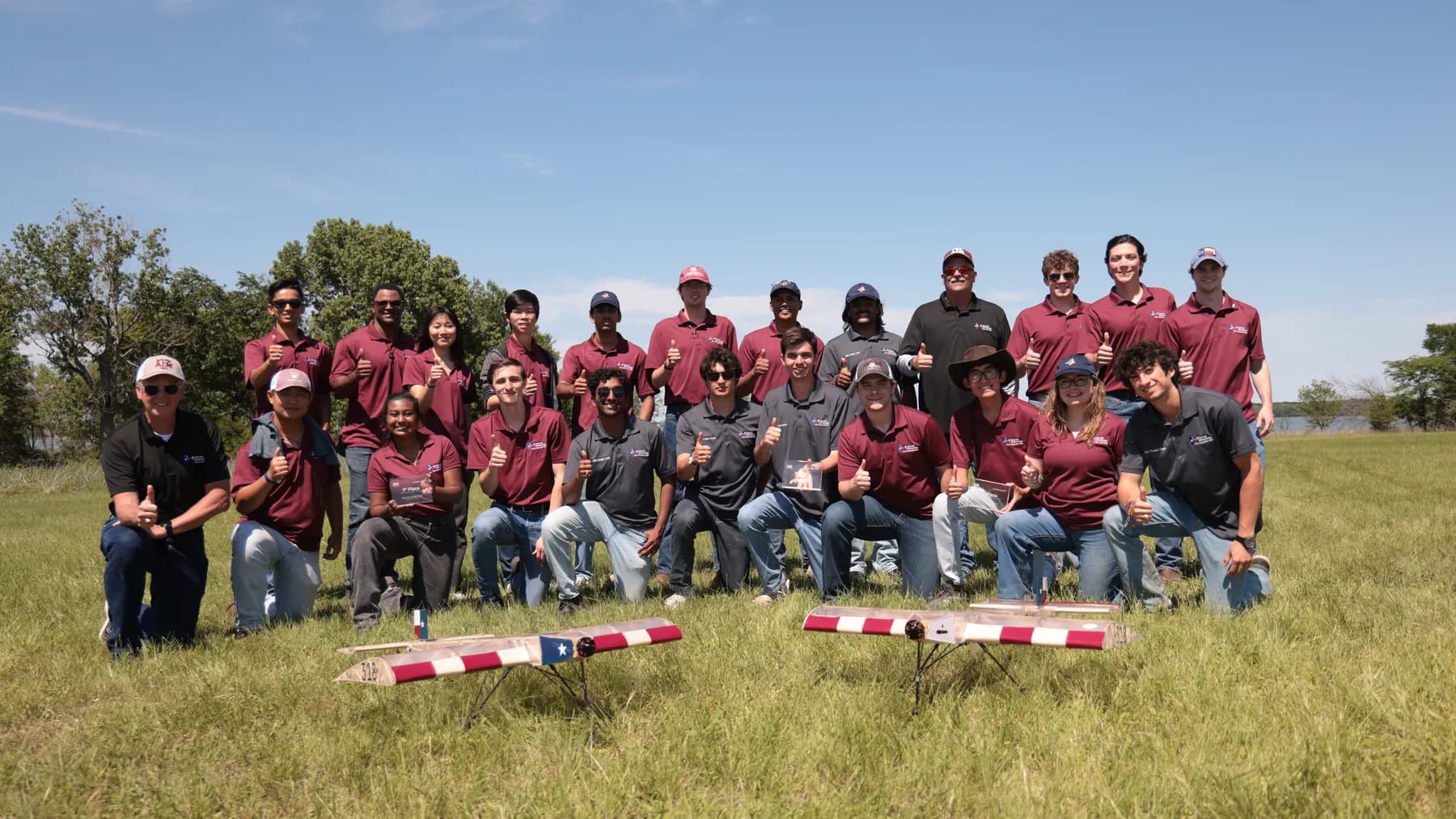
Throughout my time in college, I was a part of the SAE Aero Design team at Texas A&M for three years where I developed small scale, specialized high performance UAVs that complete specific missions very well. I gained all my experience in aircraft design from that team, learning and applying systems design, configuration analysis, CFD, FEA, and multidisciplinary thinking, along with using iterative testing and prioritizing successful mission execution. Most importantly, I built the team’s in-house simulation software for takeoff and flight dynamics, aircraft optimization, and most importantly propulsion system design.
I hope ThrustLab is a useful tool in your arsenal for UAV development. If you have questions about its underlying model, accuracy, or want to do business, please contact me at [email protected].
T’s and G’s,
Kyle Bedrich
Hosted in Falkenstein, Germany
ThrustLab’s web, solver, and database servers run in Hetzner’s Falkenstein data center park. Hetzner sources 100% renewable electricity for its German data centers, backed by renewable-energy Guarantees of Origin.
Hetzner reports an average data-center PUE of 1.13—about 0.13 kWh for cooling and other facility systems per 1 kWh used by IT equipment. Outside-air cooling and efficient power distribution help keep that overhead low.