Howdy!
I’m Kyle Bedrich.
I build small aircraft and the tools to design their propulsion systems.
I’m the solo founder, maintainer, and developer of ThrustLab, and an aerospace engineering master’s student at Texas A&M.
SAE Aero Design
Texas A&M · 2022–2025
- Python
- NumPy
- SciPy
Chief Engineer, Micro Class
2024–2025Electronics & Propulsion Lead
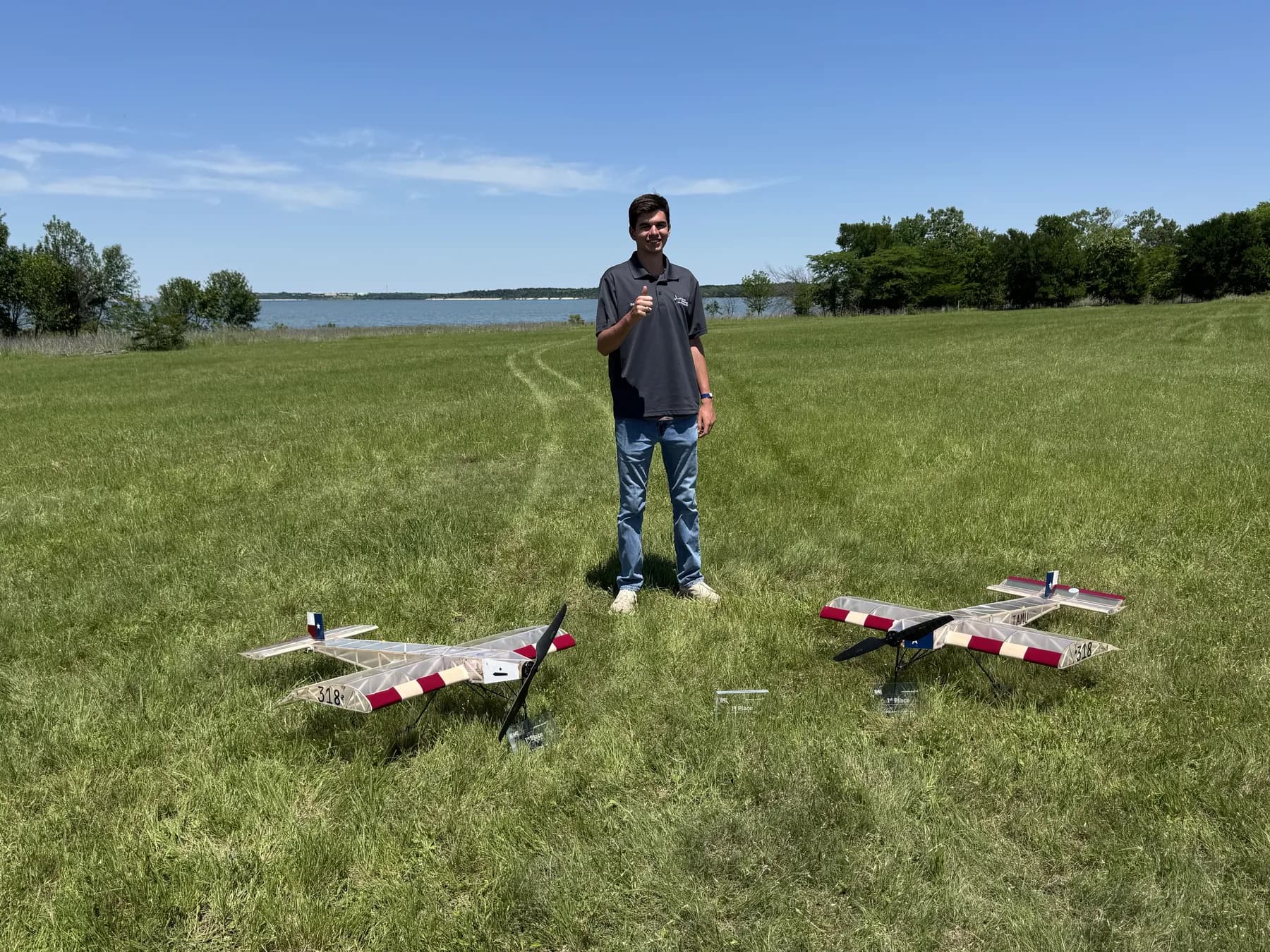
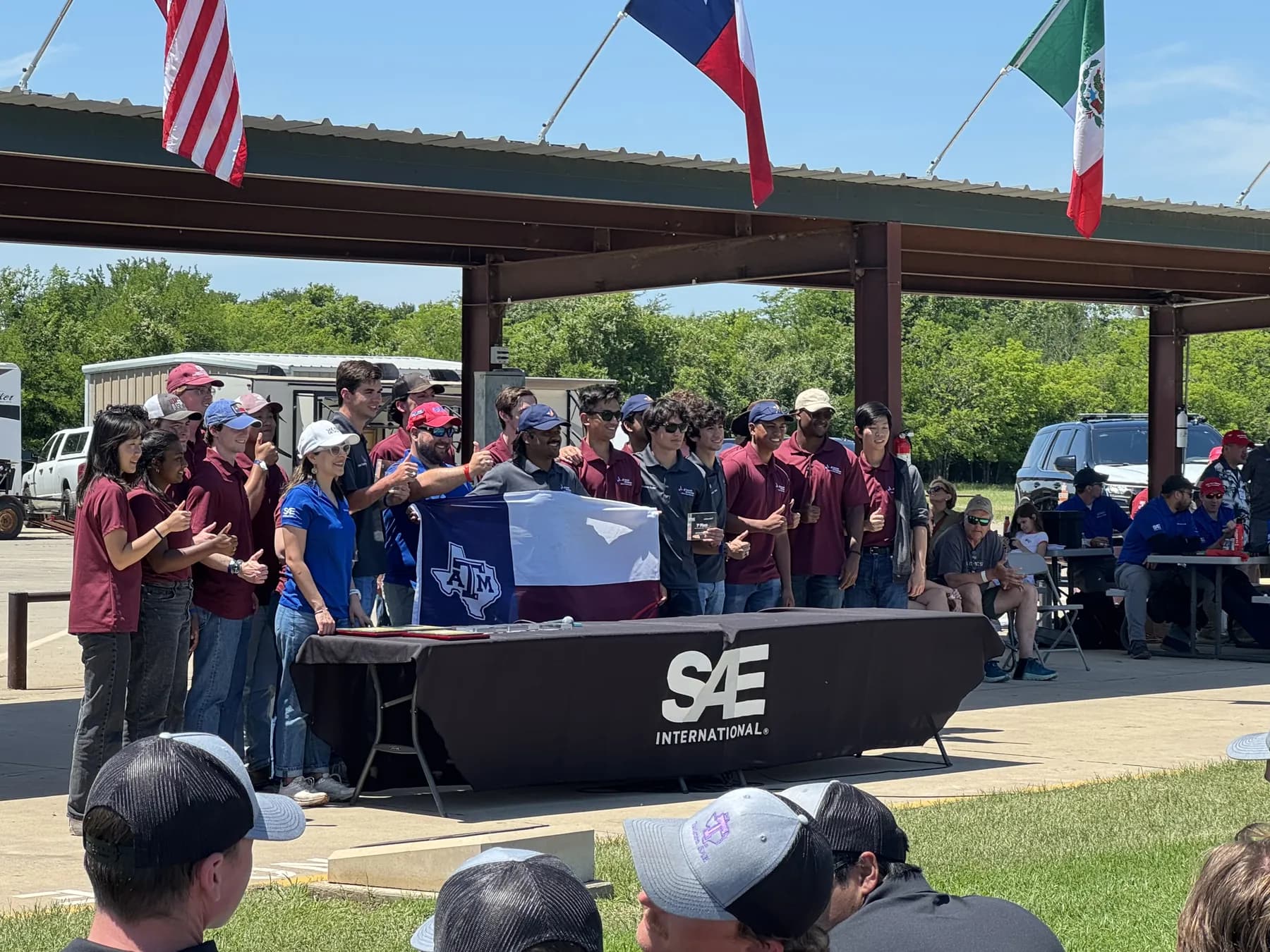
2023–20241st overall2024 SAE Aero Design WestMicro Class · team result
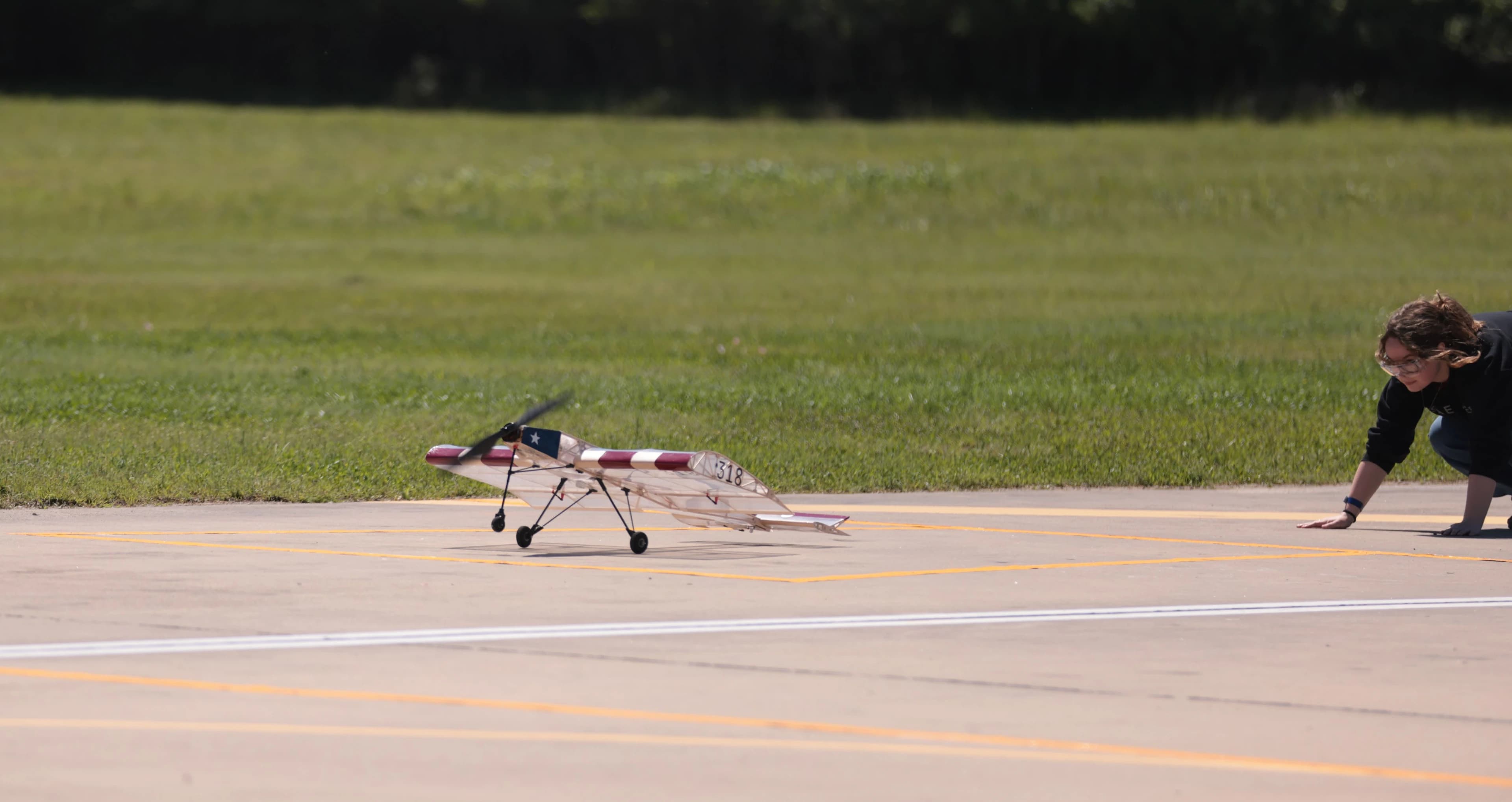
I spent three years on Texas A&M’s SAE Aero Design team, designing small aircraft to complete very specific missions. I worked on propulsion, aircraft configuration, and flight testing, then led the Micro Class team as chief engineer.
Most importantly, I built the team’s in-house simulation software for takeoff and flight dynamics, aircraft optimization, and propulsion system design. We used it to make design decisions and plan what to carry in the conditions we actually had at the field.
At competition
Our flights from the 2025 SAE Aero Design East livestream.
Choosing the powertrain
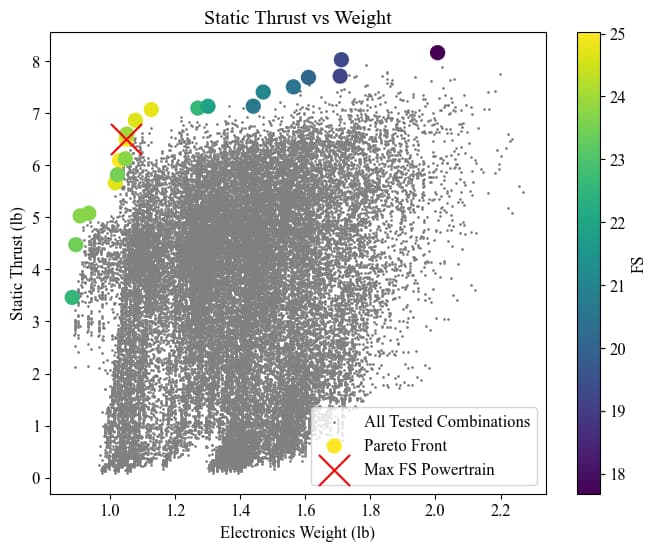
For 2023–24, I used PROM to compare 67,704 motor, propeller, and battery combinations. We selected for thrust-to-powertrain weight, with enough battery for a go-around.
The 2024–25 study compared 35,980 combinations. I pulled out the Pareto front, then ran those candidates through KTOC to see which produced the best flight score.
More thrust is useful, but the extra weight has to earn its place on the aircraft.
KTOC
Kyle’s Takeoff Code. I built it to work out how much we could carry and when to rotate. It models the elevator, servo speed, wheel loading, and the landing gear’s effect on rotation. It also has a rotation-timing optimizer, optional ground effect, and climb-to-cruise simulation.
Takeoff weight and headwind
MCP · 2024–25- Modeled takeoff distance
- 8.5 ft
- Rotation at liftoff
- 16.8°
Within the 18° rotation limit.
Original KTOC model: 5° flaps, 450 W powertrain, 0.5 s rotation delay. Air density, geometry and pitch inertia stay fixed. Feasibility here checks the 18° rotation limit.
FlightLine
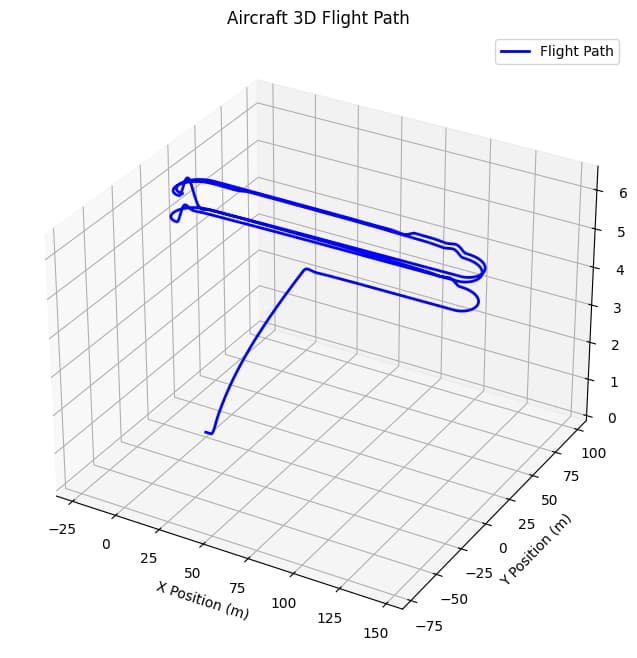
FlightLine takes that work into a full mission. I can link takeoff, climb, cruise, and turns, with an aircraft model and propulsion system carried through the whole flight.
It includes sustained wind, a Dryden gust model, control-surface limits, and state histories for plotting. This mission uses the earlier 5DoF model. I also worked on a 6DoF version with LQR control.
DARPA Lift Challenge
2025–present
- SOLIDWORKS
- Python
- NumPy
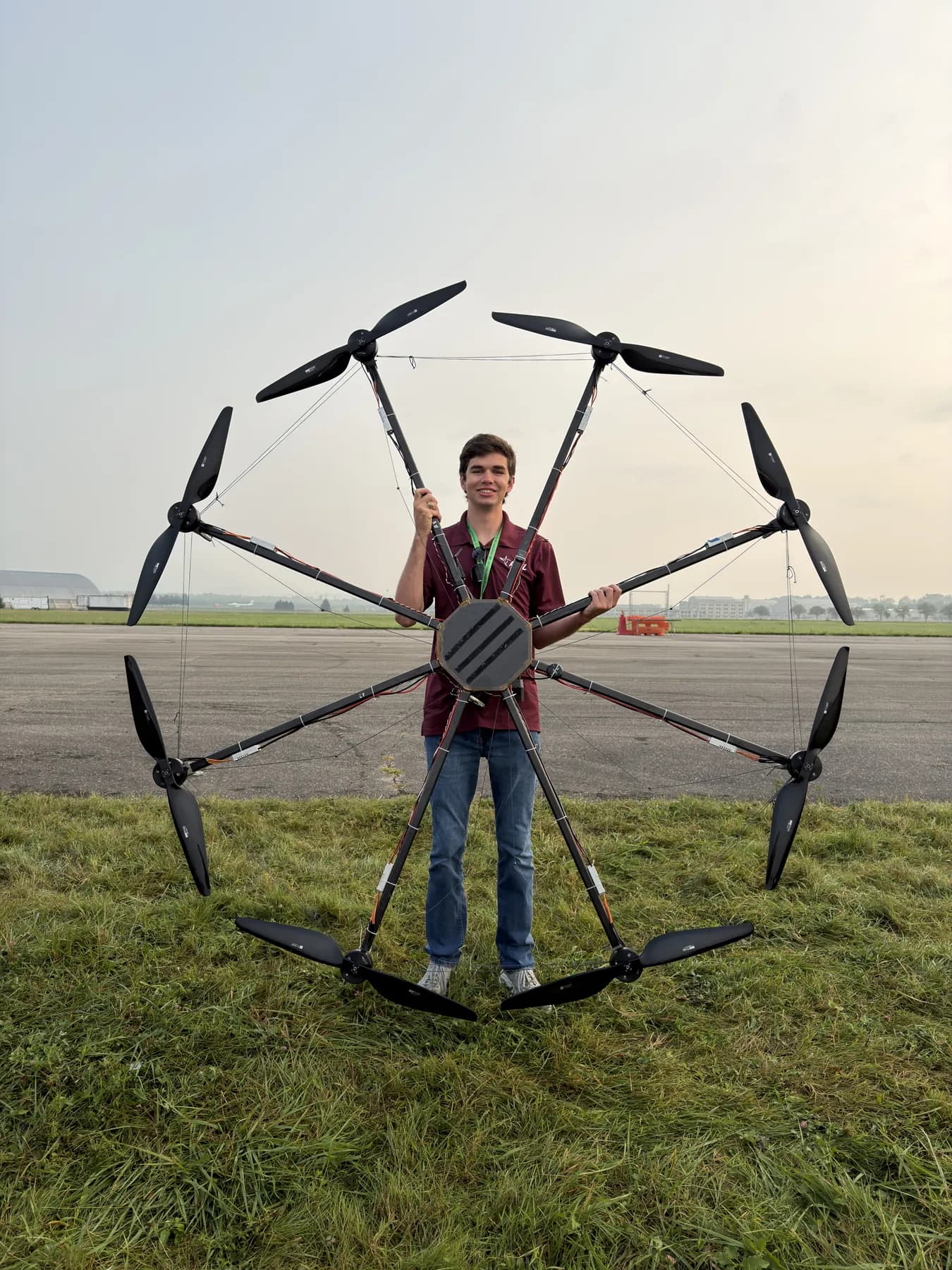
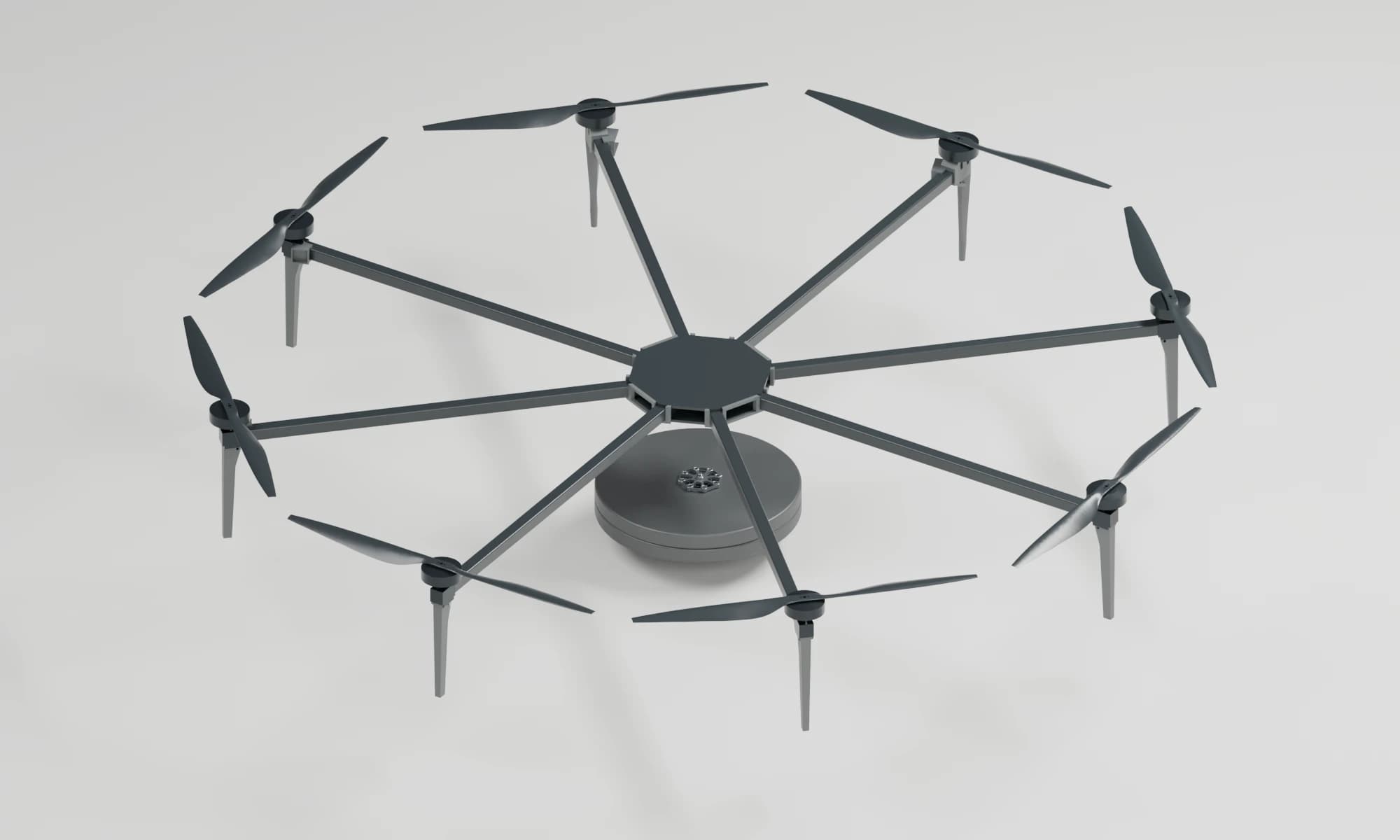
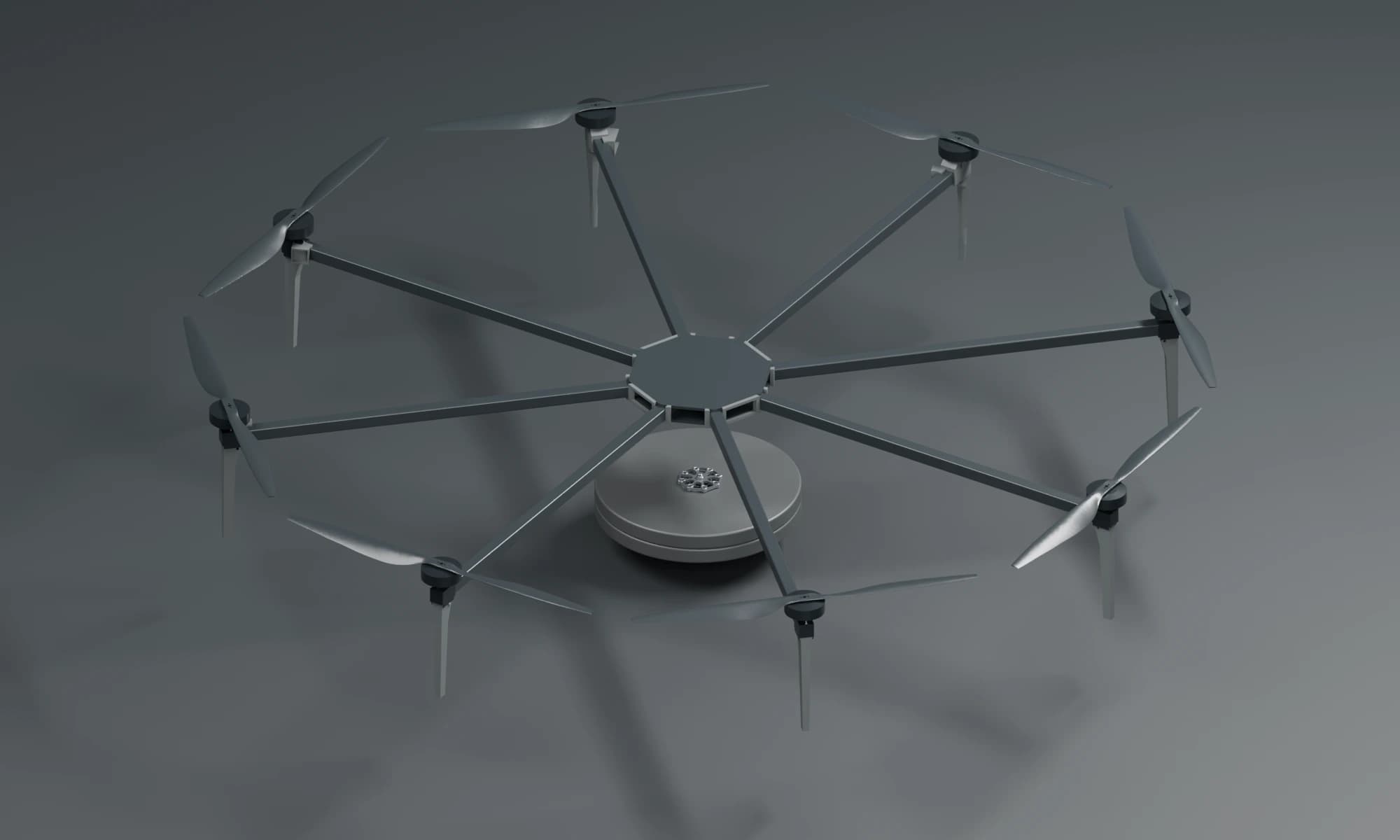
The 2026 DARPA Lift Challenge was a heavy-lift drone competition scored by payload-to-aircraft-weight ratio. The course covered four nautical miles carrying payload and one unloaded.
Our aircraft could carry 110 lb for four nautical miles, with a 2.55:1 payload-to-aircraft-weight ratio.
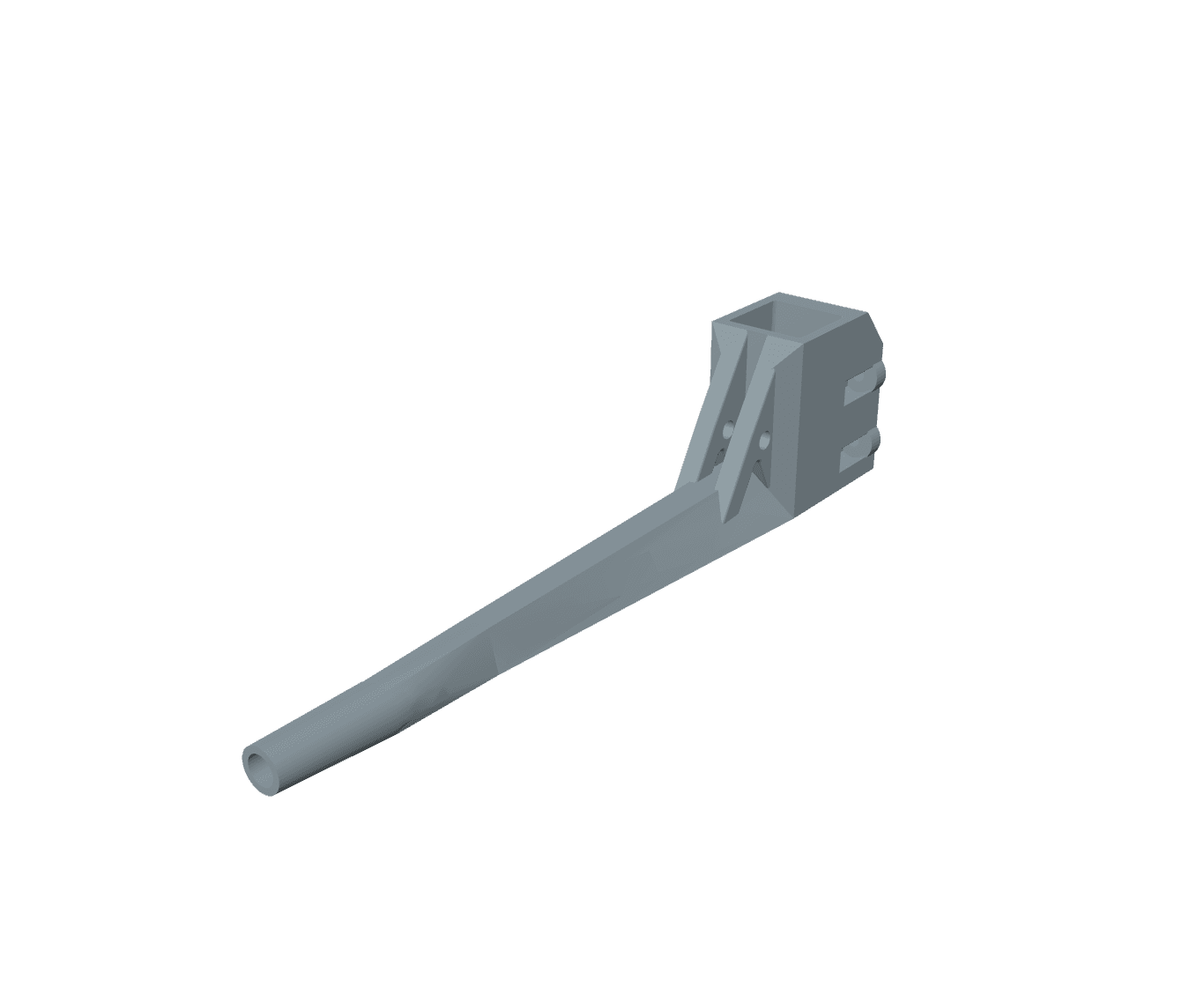
Propulsion & flight testing
I work on propulsion and configuration selection for our heavy-lift aircraft, along with flight-test planning.
The motor, propeller, and battery have to work together through the flight. I built analysis tools to compare those combinations and look at how much throttle is needed as the battery discharges.
Propulsion selection
Six-motor study- Total thrust
- 111.0 lbf
- Electrical power
- 6.76 kW
T-Motor 8017 120KV, six motors, 48 V. Manufacturer table points from my DARPA propulsion workbook; static estimates without rotor-interaction losses. This study is separate from the octocopter pictured above.
Hydrofoil structural design
AERO 604 · Team project · 2025
- Abaqus
- Python
- SciPy
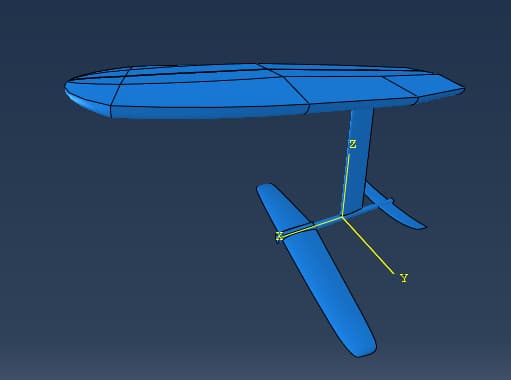
Automating the structural design
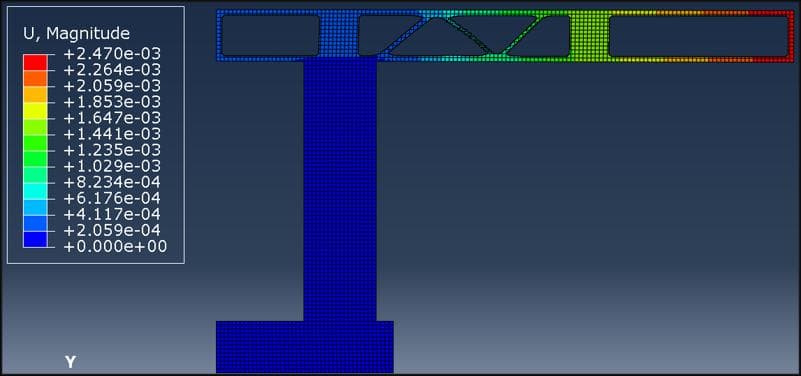
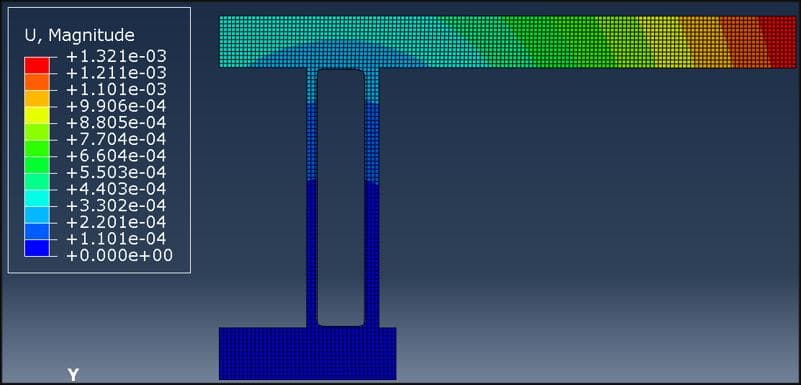
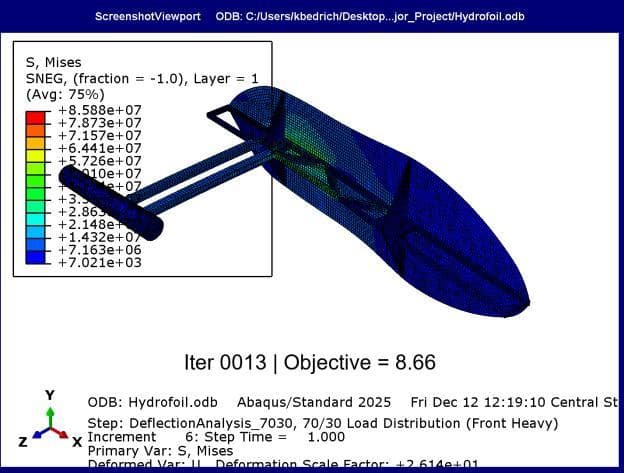
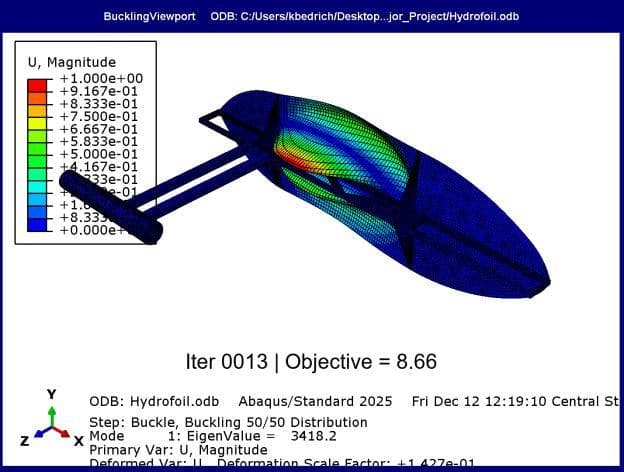
I automated Abaqus with Python to build, mesh, load, and evaluate the structure. I used topology optimization to develop the ribs and mast spar, modeled carbon-fiber layups, and connected the structural model to an optimizer.
We varied seven design parameters across the board, mast, and fuselage. Each run checked mass, deflection, stress, and buckling. A Bayesian optimizer chose the next design to evaluate.
- Final model mass
- 10.0 kg
- Board deflection
- 5.45 mm
Results from the final structural analysis.
ThrustLab
Solo founder & developer
- Python
- Rust
- TypeScript
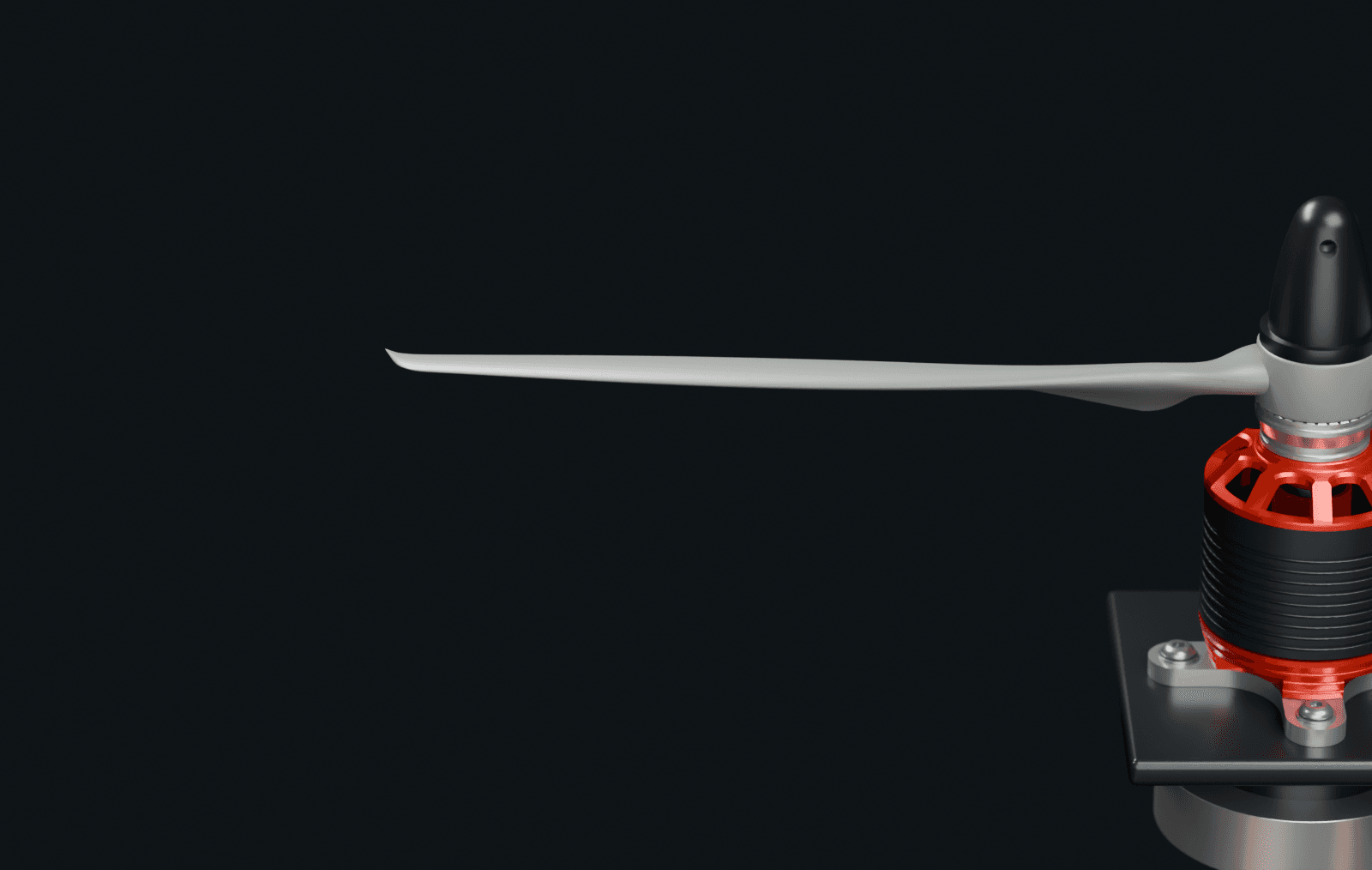
It started with the SAE team.
The propulsion model began as a simple exercise of first principles. Over 30 versions were used by me and my peers to design our aircraft. I kept developing it into ThrustLab.
A proper engineering process requires models to be validated so that the engineer using the model knows where to trust it. That is why I created ThrustLab.
PROM
Motor, propeller, and battery models for comparing propulsion systems. The original SAE code became the foundation for ThrustLab.
KTOC & FlightLine
From takeoff and rotation to complete aircraft missions. KTOC grew from the team’s earlier STOIC work; FlightLine extended the mission simulation.
Aircraft design tools
Airfoil and wing optimization, scoring sensitivity, and configuration trade studies used during the SAE design process.
Built with
- Frontend
- TypeScript
- React
- Next.js
- Tailwind CSS
- Plotly
- Three.js
- Backend
- Python
- FastAPI
- Pydantic
- SQLAlchemy
- PostgreSQL
- Redis
- Celery
- Django
- Wagtail
Django and Wagtail manage the site’s content.
- Solver
- Rust
- PyO3
Rust connected to Python through PyO3. Coupled electrical, aerodynamic, and thermal models.
- Infrastructure
- Hetzner
- Docker Compose
- Cloudflare Tunnel
Three servers with separate web, solver, and database roles.

- Cloudflare Tunnel
- Next.js
- FastAPI
- Redis
- Celery
- Rust
- PostgreSQL
- PgBouncer
Simulations run in background workers so long solves don’t tie up web requests. The platform also has a REST API, a Python SDK, and FMU export for connecting propulsion models to other simulation tools.
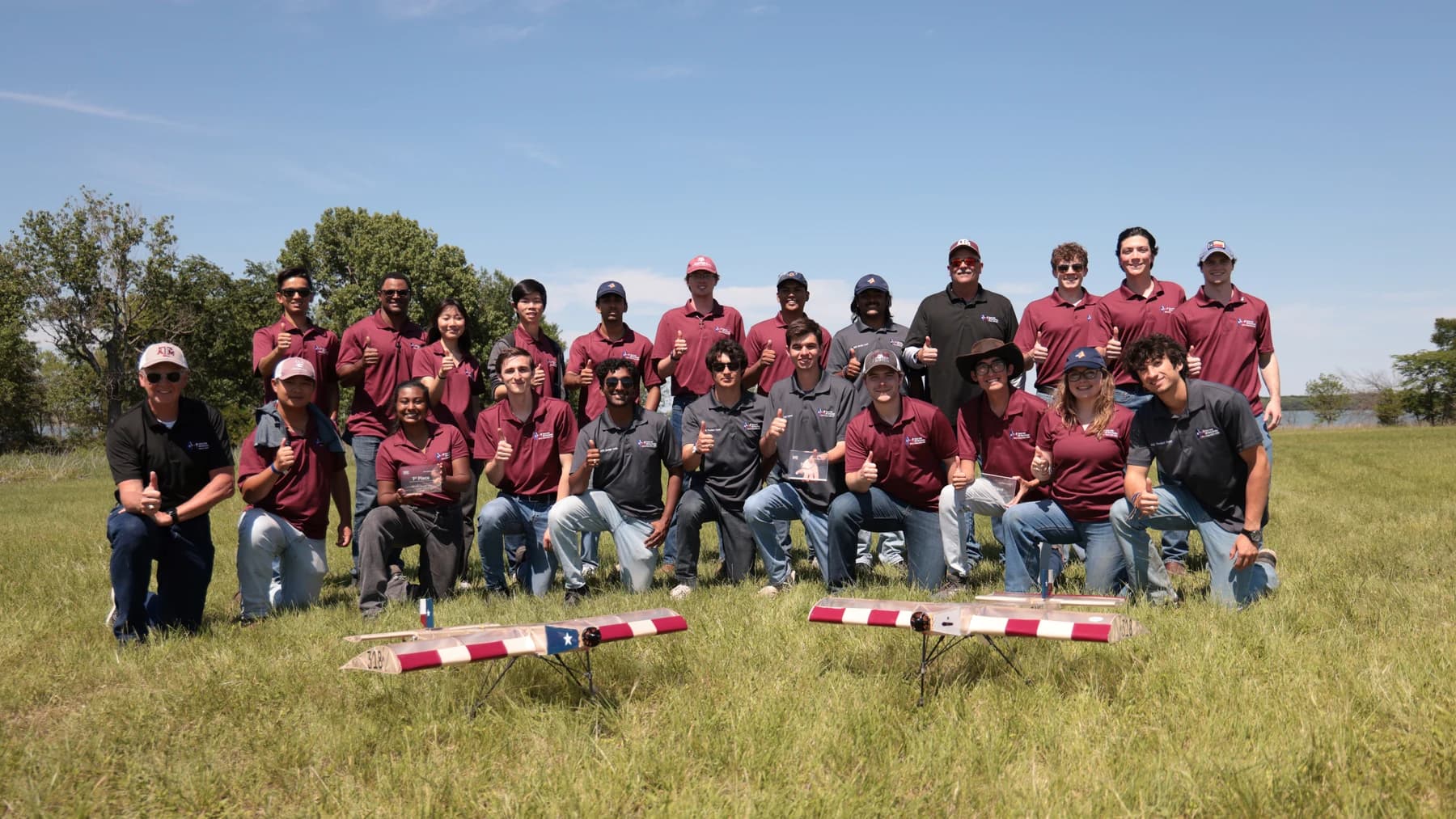
A little about me.
I’m based in College Station, Texas. I graduated with my bachelor’s in electrical engineering in 2025 and am currently getting my master’s in aerospace engineering at Texas A&M.
I learned aircraft design on the SAE team, through systems design, CFD, FEA, and a lot of building and testing.