Electric UAV powertrain simulator
See what your freestyle quad can do — before you build it.
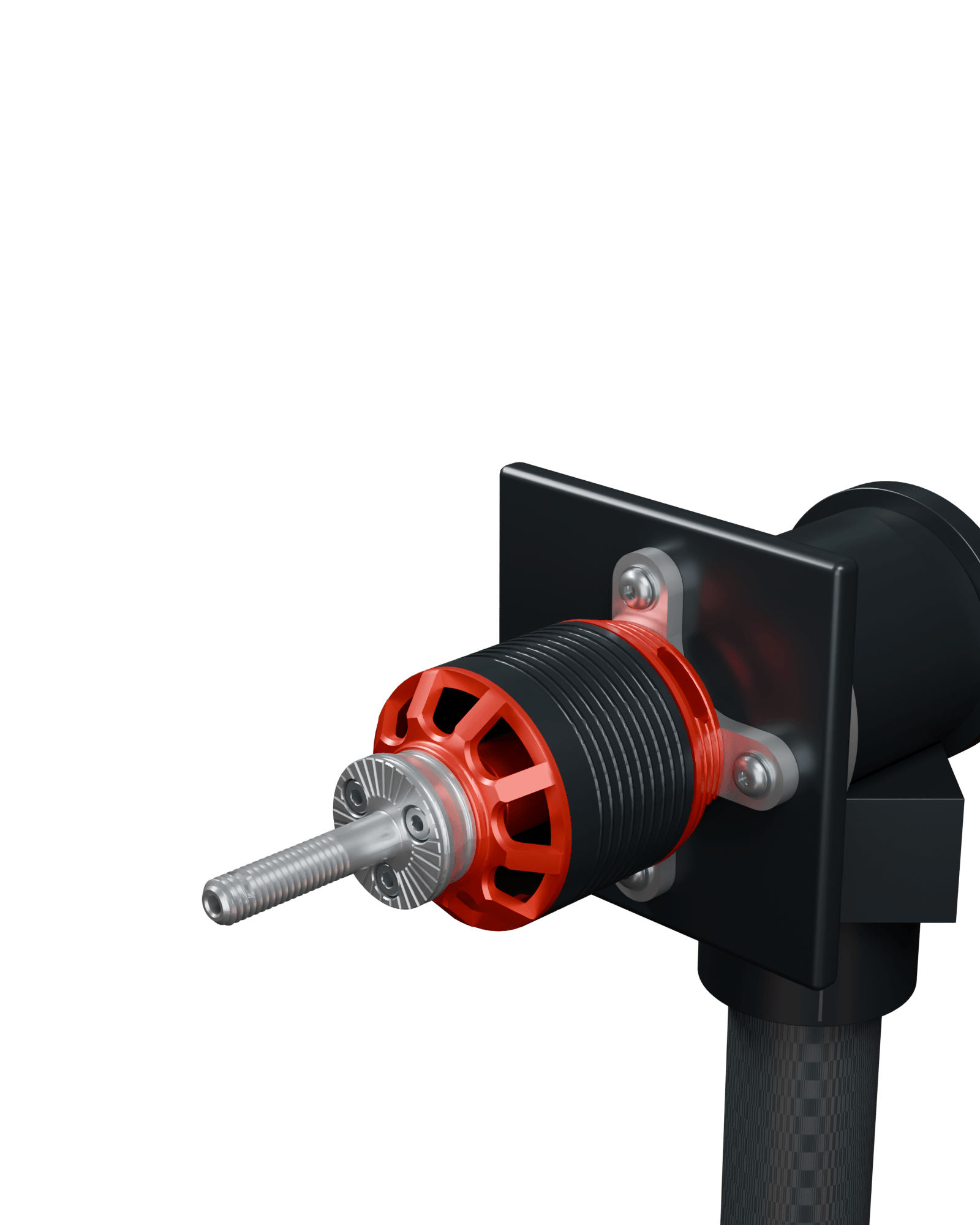
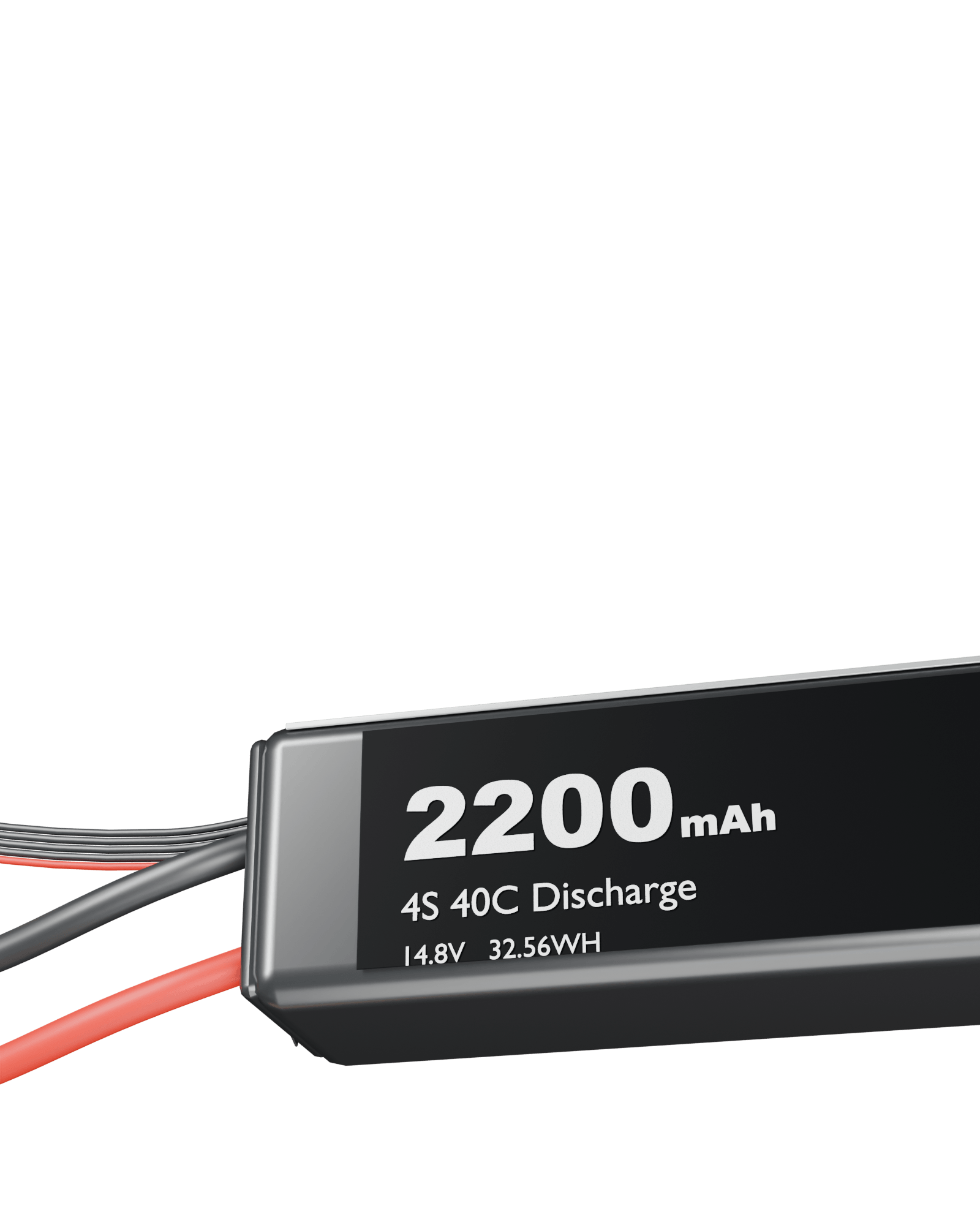
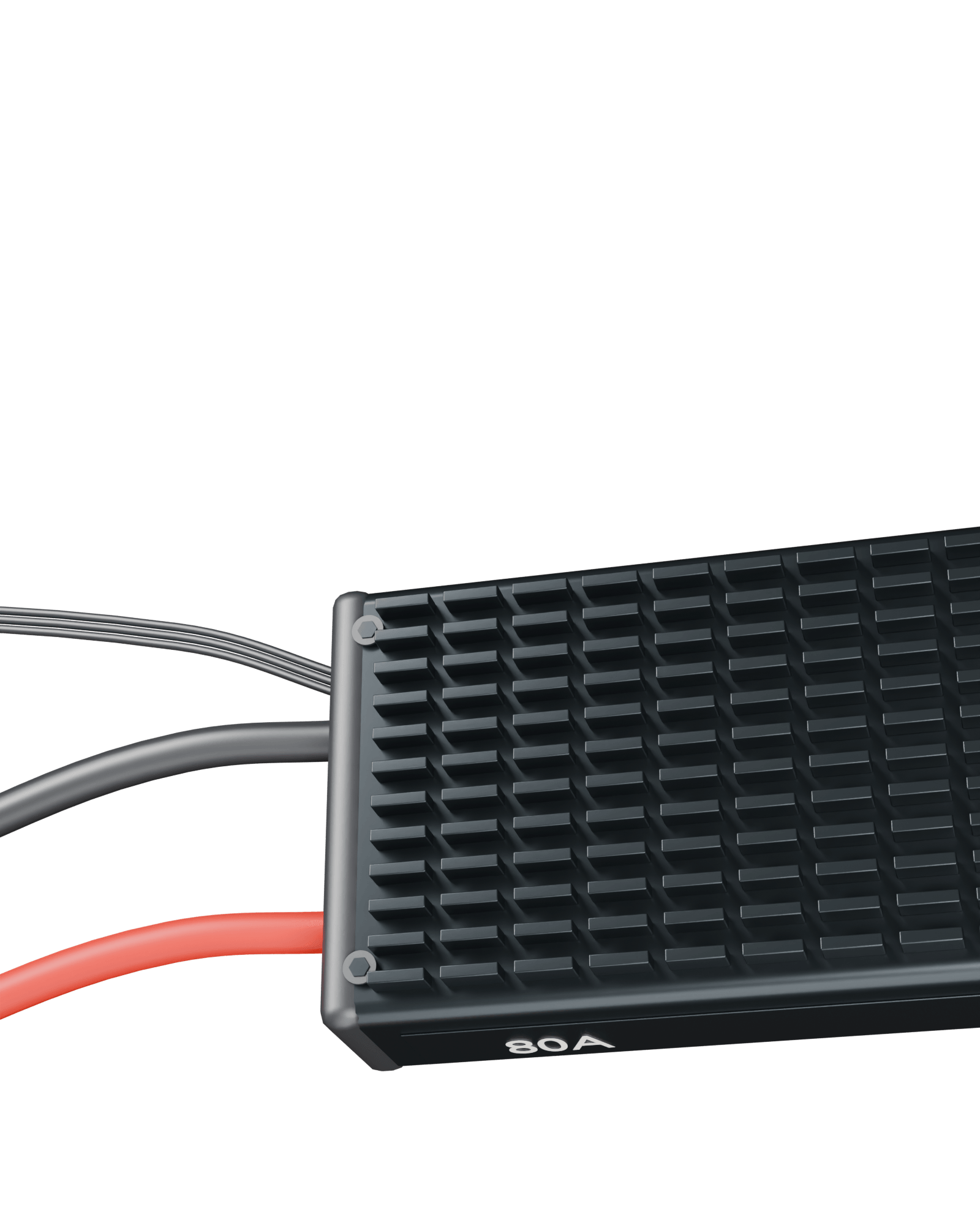
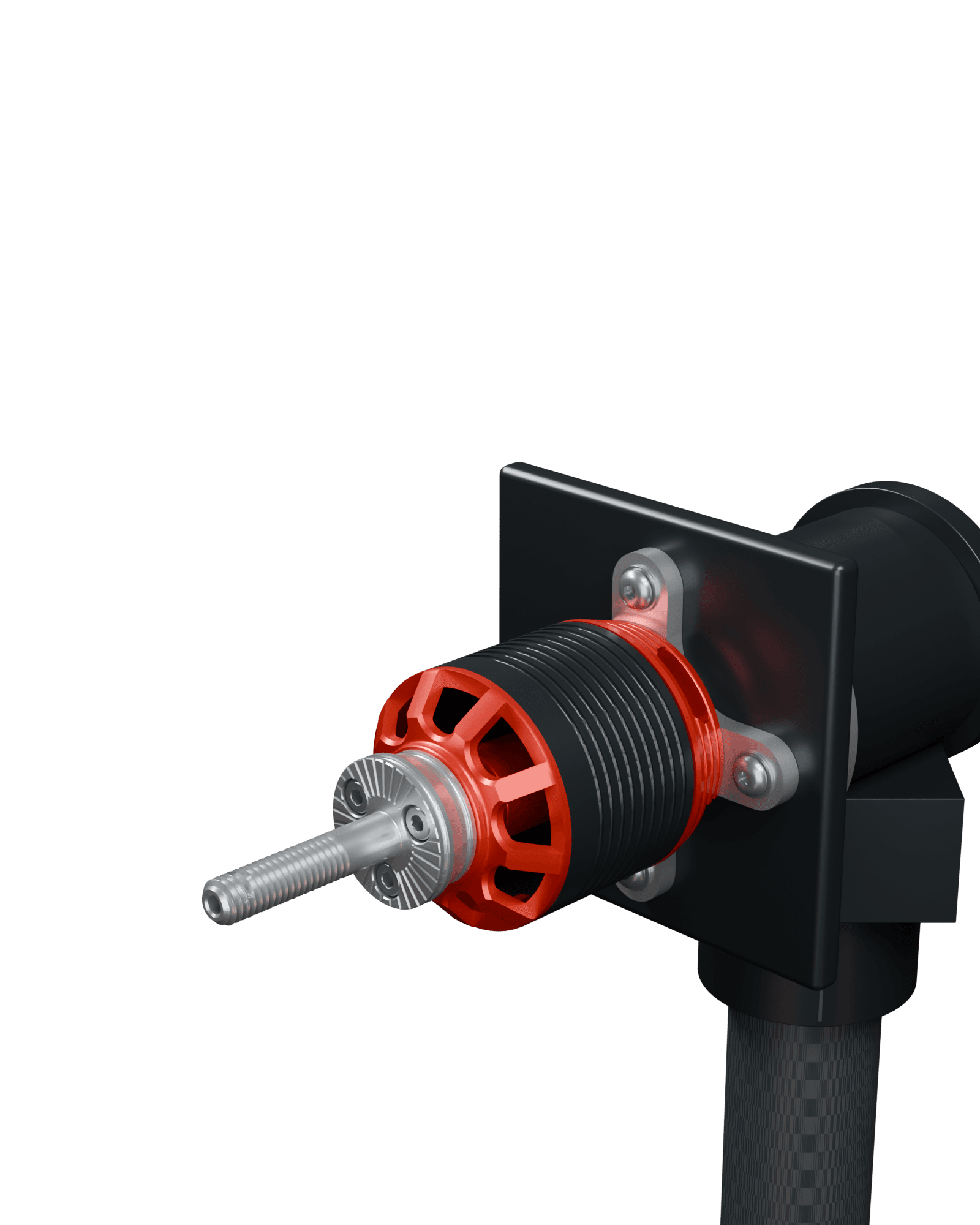
Pick a battery, motors, and propellers. See thrust, efficiency, and flight time for the whole powertrain.
Who it's for
FPV & hobby builders
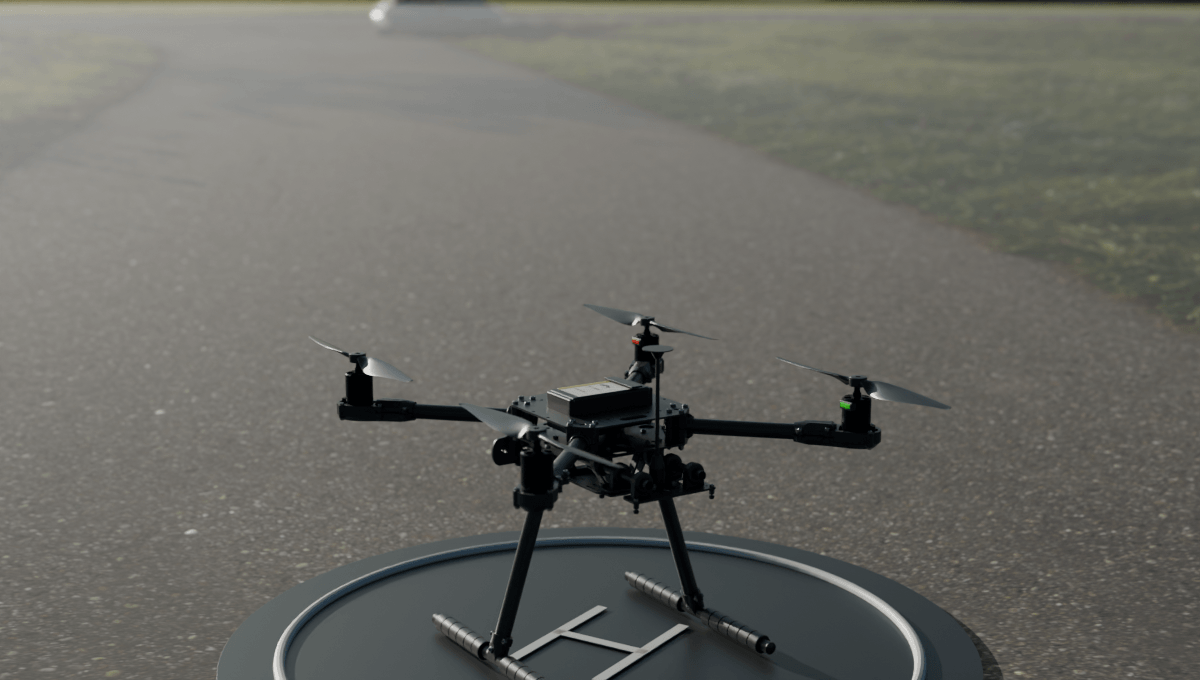
Pick the motor, prop, and pack before you order. See hover time and punch-out headroom.
UAV design teams
Endurance and payload trade studies across mixed-rotor builds. Share any result with your team.
Researchers & students
Published methodology, wind-tunnel-checked propeller aerodynamics, and a scriptable API.
Component manufacturers
Get your parts in front of designers while they're speccing a build.
For manufacturers →Capabilities
Battery, ESC, motor, and propeller are solved together as one system. Each part affects the others, the way the real hardware does.
Everything solved together
Voltage sag, ESC losses, motor heating, and propeller aerodynamics solve at the same time, not one at a time down a chain.
Sweeps and comparisons
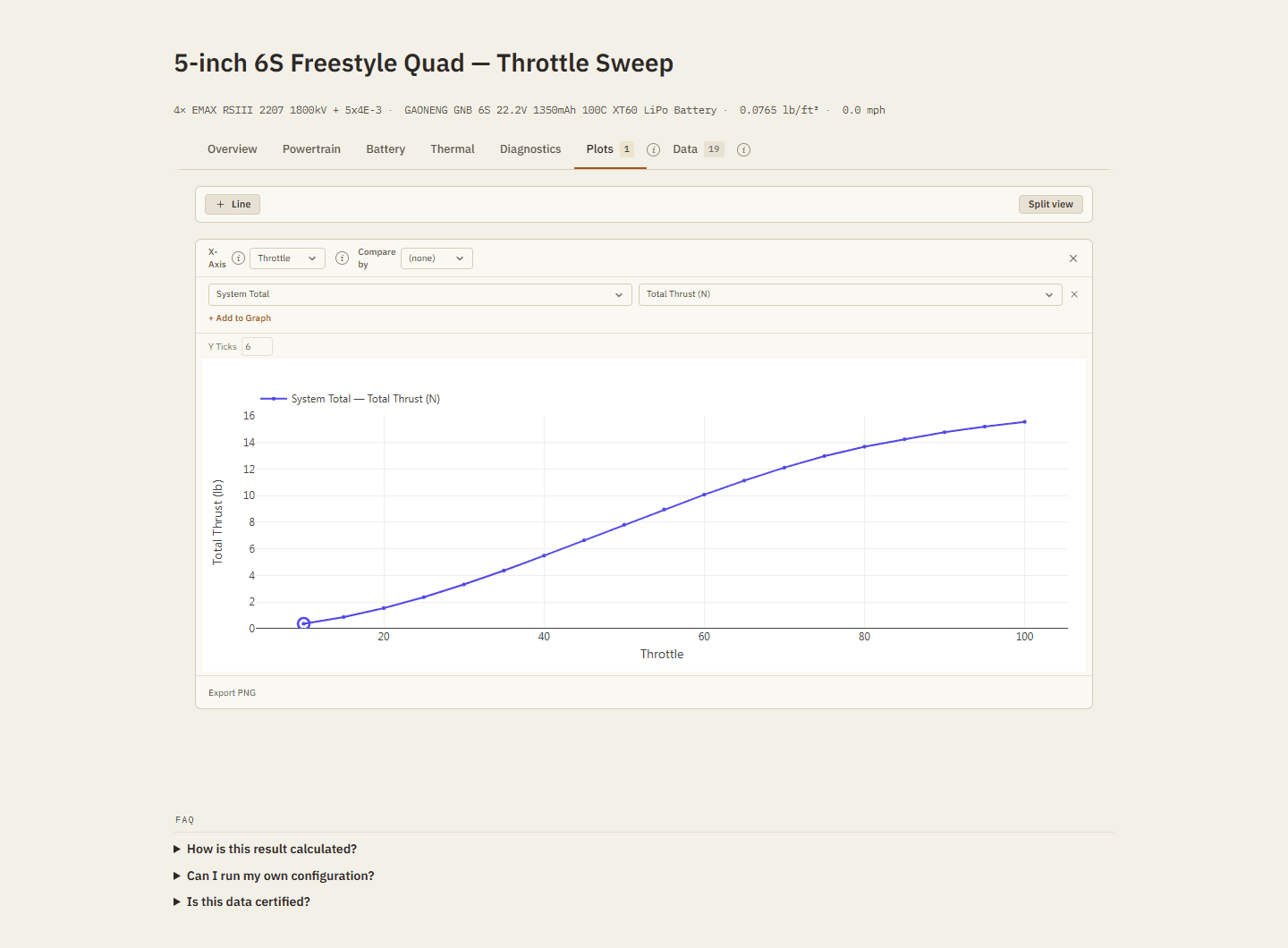
Vary throttle, airspeed, or air density, or swap parts. Compare the results as one set of curves.
Propeller creation
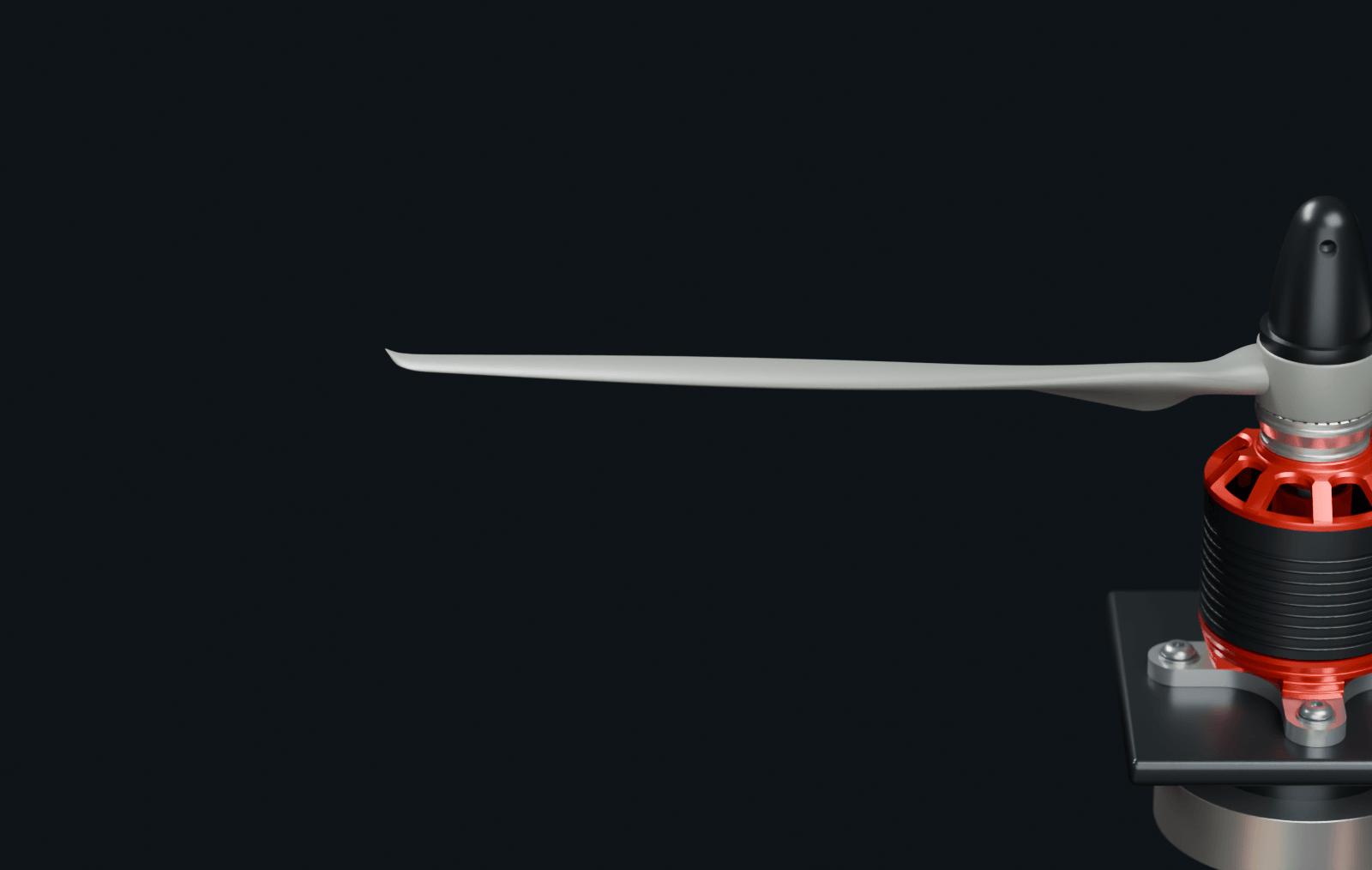
Photograph a propeller on your bench, turn it into a 3D model, and export it for CAD.
Dynamic missions
Fly the whole mission. Charge and voltage limits are tracked throughout, so you find out whether the battery lasts the flight.
Automation
Drive it from your own code with the REST API and Python SDK. Simulink export (FMI 3.0) is next.
POST /v1/simulations → 201 Created
Validation
Every accuracy figure here is measured against real test data and re-published with every release.
Propeller aerodynamics are checked against 2,659 wind-tunnel measurements from the University of Illinois (UIUC) propeller database, Volume 4 (Selig et al.), a standard reference for small propellers.
2,659
wind-tunnel measurements, UIUC propeller database Vol. 4
R² 1.00 would be a perfect match to the wind tunnel. Measured over 17 two-bladed APC Thin-Electric propellers, 12–21 in diameter, pitch/diameter 0.44–0.83, advance ratio J ≤ 0.95, tip Mach ≤ 0.43, ISA sea level. Measured on the raw vortex-BEM kernel over that set — the same physics-based model the shipped solver runs.
UAV development
ThrustLab never asks for your weight, payload, or flight-time targets. Those are your requirements. Test candidate powertrains against the numbers you have to meet.
Assemble
Build candidates from real, measured parts.
Single point
Check hover margin at your operating point.
Sweep
Maximize endurance, efficiency, or thrust margin across the envelope.
Dynamic mission
Verify the winner against the full mission.
Integrate
Export CAD, script it, or plug it into your flight simulation.
Validated models
Three ways to run a design.
Single point
One exact operating point.
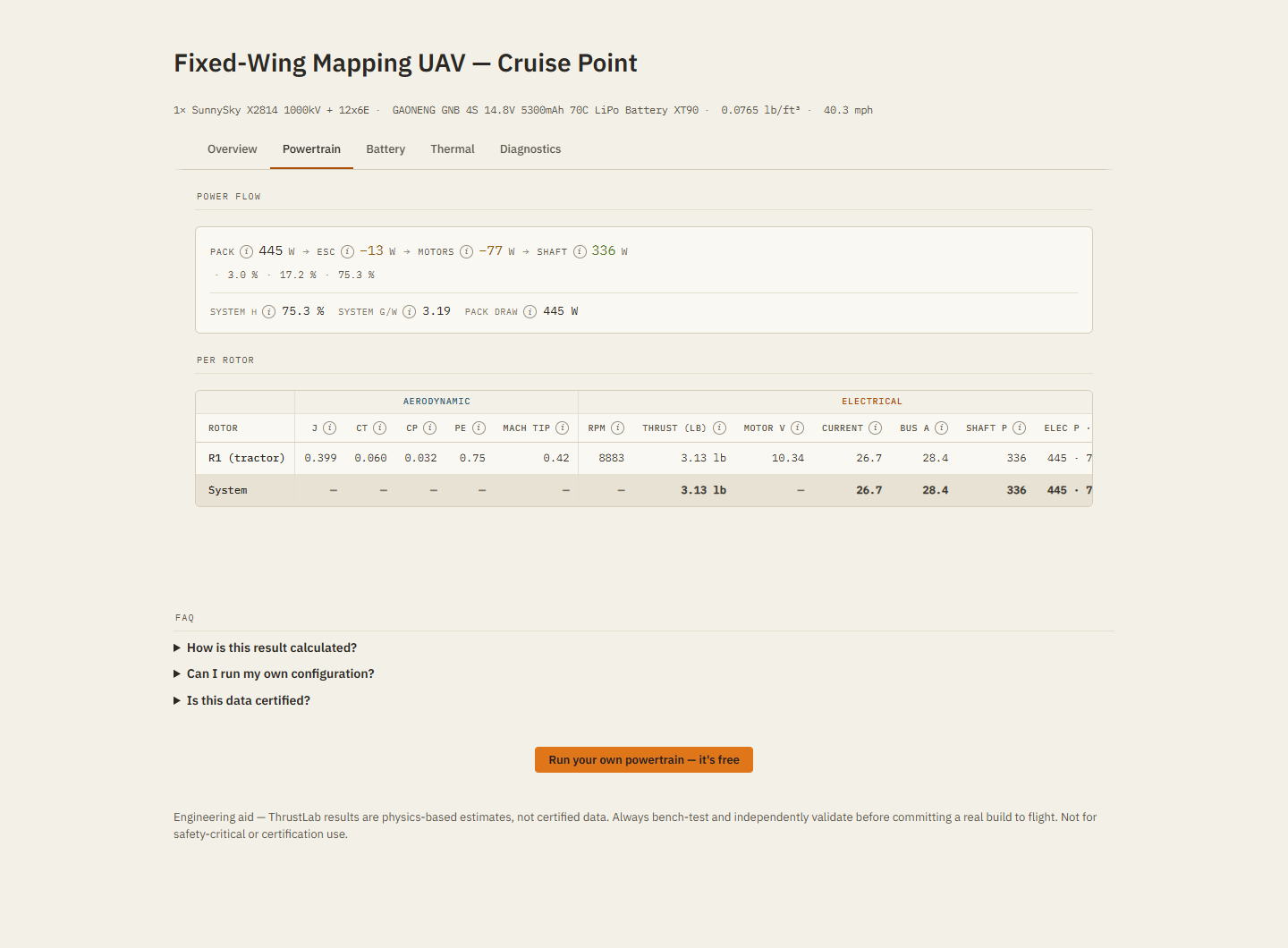
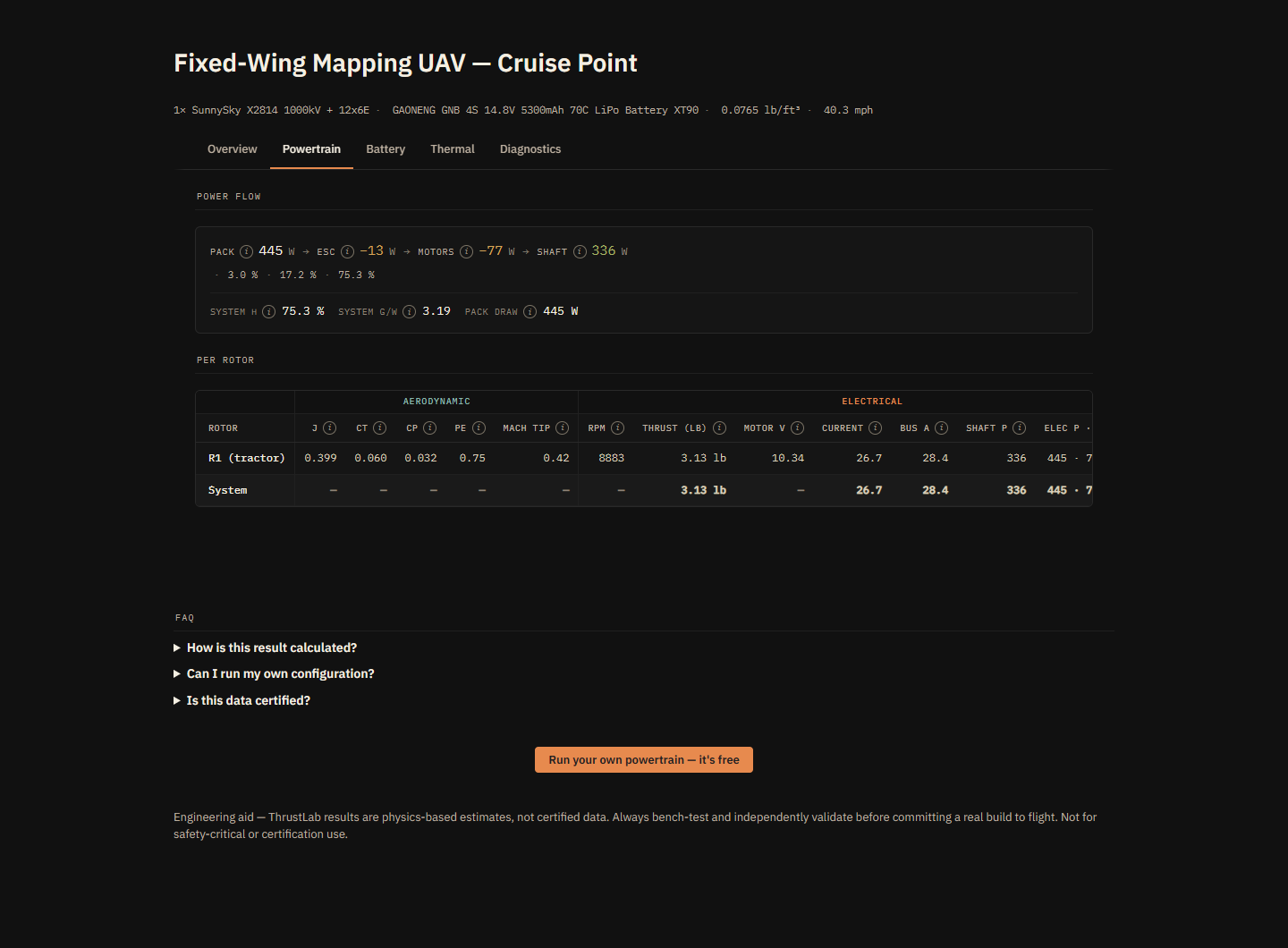
Set throttle, airspeed, and air density. Get thrust, power, efficiency, currents, and temperatures for every rotor and for the aircraft.
Sweep
Chart the trade-offs across the envelope.
Vary throttle, airspeed, or air density, or swap motors, props, and batteries. Compare the results as curves. One variable per sweep today; multi-variable grids are coming.
Dynamic mission
Fly the whole mission.
Throttle and airspeed change over time, motors and battery heat up, and the flight ends when the battery hits its limits. Scored in watt-hours used and estimated range.
See it on your own powertrain.
Automation
Drive it from Python.
The same solver, callable from your own code. Create an API key on the Pro plan and run the study as a script.
REST API
Every simulation type (static, sweep, dynamic) behind versioned /v1 endpoints.
Official SDK
pip install thrustlab: typed resources, pagination, webhooks, and a one-call wait().
Built for batch
Scripted trade studies, CI checks on a design, or a notebook full of what-ifs.
FMI 3.0 export.
Drop your ThrustLab powertrain into Simulink or any flight-dynamics simulation as a standard FMU. You do not rebuild the model there.
solver core
(CS 3.0)
6-DOF loop
The catalog
Build from real components.
Every motor, propeller, and battery is a real, measured part, not an estimate from a formula. If the catalog doesn't have your propeller, build it from a bench photo and export it for CAD (STEP / IGES / STL).
curated propellers
curated motors
curated batteries
Built for both sides of the build
Drone component manufacturers
List your parts in the catalog designers pick from.
Engineering teams
Validated numbers, scripted trade studies, and a shared component database.
In one line
ThrustLab is a physics-accurate electric-UAV powertrain simulator: it models the battery, ESC, motor, and propeller as one coupled nonlinear system, validated against the UIUC propeller wind-tunnel database, and includes a self-serve creator for propellers the curated catalog doesn't cover.
for UAV propulsion engineers and serious builders